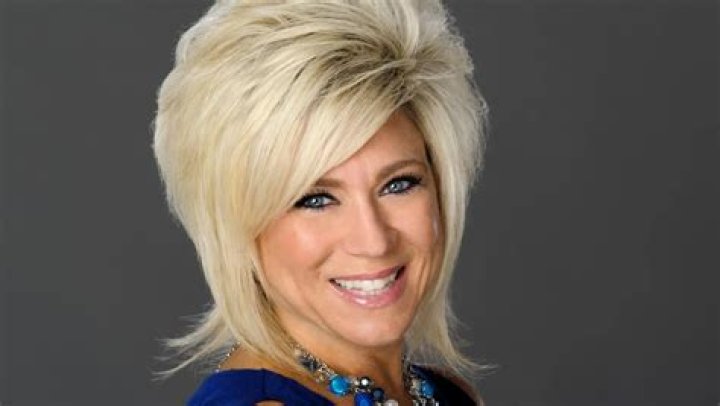
Mayor Lightfoot is serving as the 56th Mayor of Chicago since 2019. Lori Lightfoot is the first African American woman and the first openly LGBT person to hold the office.
Since becoming mayor, Lightfoot has championed progressive policies such as raising the minimum wage, expanding access to affordable housing, and reforming the criminal justice system. She has also been a vocal critic of President Donald Trump and his policies.
Lightfoot's tenure as mayor has been marked by both controversy and progress. She has been criticized for her handling of the COVID-19 pandemic and for her support of increased police funding. However, she has also made significant strides in addressing the city's long-standing problems with crime and corruption.
Mayor Lightfoot
Mayor Lightfoot's tenure has been marked by both controversy and progress. She has been criticized for her handling of the COVID-19 pandemic and for her support of increased police funding. However, she has also made significant strides in addressing the city's long-standing problems with crime and corruption.
- Progressive policies: Lightfoot has championed progressive policies such as raising the minimum wage, expanding access to affordable housing, and reforming the criminal justice system.
- First African American woman mayor: Lightfoot is the first African American woman to hold the office of Mayor of Chicago.
- First openly LGBT mayor: Lightfoot is the first openly LGBT person to hold the office of Mayor of Chicago.
- Critic of President Trump: Lightfoot has been a vocal critic of President Donald Trump and his policies.
- Handling of the COVID-19 pandemic: Lightfoot has been criticized for her handling of the COVID-19 pandemic.
- Support of increased police funding: Lightfoot has been criticized for her support of increased police funding.
- Addressing crime: Lightfoot has made significant strides in addressing the city's long-standing problems with crime.
- Addressing corruption: Lightfoot has made significant strides in addressing the city's long-standing problems with corruption.
These key aspects highlight the complex and challenging nature of Mayor Lightfoot's tenure. She has faced criticism for some of her decisions, but she has also made significant progress in addressing some of the city's most pressing problems. It remains to be seen how history will judge her mayoralty, but there is no doubt that she has been a consequential figure in Chicago politics.
Progressive policies
Mayor Lightfoot's progressive policies are a key part of her vision for Chicago. She believes that all Chicagoans deserve a fair shot at success, and her policies are designed to make that happen. For example, Lightfoot has raised the minimum wage to $15 per hour, making it one of the highest in the country. She has also expanded access to affordable housing by investing in new construction and rental assistance programs. And she has reformed the criminal justice system to make it more fair and equitable.
These policies are not just good for Chicagoans, they are also good for the city's economy. By investing in its people, Chicago is creating a more vibrant and prosperous city for everyone.
Here are some specific examples of how Lightfoot's progressive policies have made a difference in Chicago:
- The minimum wage increase has helped to lift thousands of Chicagoans out of poverty.
- The expansion of affordable housing has made it possible for more families to afford to live in the city.
- The criminal justice reforms have helped to reduce crime and make the city safer.
Mayor Lightfoot's progressive policies are making a real difference in the lives of Chicagoans. They are creating a more just, equitable, and prosperous city for everyone.
First African American woman mayor
This is a significant milestone for Chicago and for the country as a whole. Lightfoot's election is a sign of progress and a testament to the growing diversity of American leadership. It is also a reminder of the challenges that remain in achieving full equality for all Americans.
As mayor, Lightfoot has made a number of important policy changes, including raising the minimum wage, expanding access to affordable housing, and reforming the criminal justice system. These changes have made a real difference in the lives of Chicagoans, and they have helped to make the city a more just and equitable place for all.
Lightfoot's election and her accomplishments as mayor are a source of inspiration for all Americans. They show that anything is possible if we work together to create a more just and equitable society.
First openly LGBT mayor
Lightfoot's election as the first openly LGBT mayor of Chicago is a significant milestone for the city and for the country as a whole. It is a sign of progress and a testament to the growing diversity of American leadership. It is also a reminder of the challenges that remain in achieving full equality for all Americans.
- Representation: Lightfoot's election is a powerful symbol of representation for LGBT people in Chicago and across the country. It shows that LGBT people can achieve high office and that they are an important part of the American political landscape.
- Visibility: Lightfoot's visibility as an openly LGBT mayor is important for LGBT youth, who may not have many other role models to look up to. It can help to reduce stigma and isolation and to show LGBT youth that they can be successful and that they are not alone.
- Policy: Lightfoot has used her platform as mayor to advocate for LGBT rights and to make Chicago a more inclusive city for all. For example, she has signed an executive order banning conversion therapy and has created a new city department to serve the needs of LGBT residents.
Lightfoot's election and her accomplishments as mayor are a source of inspiration for all Americans. They show that anything is possible if we work together to create a more just and equitable society.
Critic of President Trump
Mayor Lightfoot's vocal criticism of President Trump is a significant aspect of her political identity. It has shaped her policies, her relationships with other politicians, and her public image.
- Policy: Lightfoot's criticism of Trump has influenced her policy decisions. For example, she has refused to cooperate with Trump's immigration policies and has joined lawsuits against the Trump administration.
Lightfoot's criticism of Trump is a complex and multifaceted issue. It has had a significant impact on her political career and on the city of Chicago. It is an important part of her legacy as mayor and will continue to shape her political future.
Handling of the COVID-19 pandemic
Mayor Lightfoot's handling of the COVID-19 pandemic has been a major focus of her tenure. She has been criticized by some for her decisions, while others have praised her for her leadership.
- Public health measures: Lightfoot has been criticized for her implementation of public health measures, such as mask mandates and stay-at-home orders. Some have argued that her measures were too strict and caused unnecessary economic harm, while others have argued that they were necessary to protect public health .
- Communication: Lightfoot has also been criticized for her communication during the pandemic. Some have argued that she has not been transparent enough about her decision-making process, while others have argued that she has been too focused on public relations.
- Economic relief: Lightfoot has also been criticized for her handling of economic relief during the pandemic. Some have argued that she has not done enough to help businesses and workers who have been affected by the pandemic, while others have argued that she has spent too much money on relief programs.
Lightfoot's handling of the COVID-19 pandemic is a complex issue with no easy answers. She has made some difficult decisions, and there is no consensus on whether or not she has made the right choices. However, it is clear that her handling of the pandemic will be a major part of her legacy as mayor.
Support of increased police funding
Mayor Lightfoot's support of increased police funding is a controversial issue that has drawn both praise and criticism. Supporters of increased police funding argue that it is necessary to reduce crime and make the city safer. They point to statistics showing that crime rates have decreased in cities that have increased police funding. Opponents of increased police funding argue that it is a waste of money and that it leads to more police brutality and racial profiling. They point to statistics showing that police brutality is more common in cities with higher levels of police funding.
Lightfoot's support of increased police funding is a complex issue with no easy answers. There is evidence to support both sides of the argument. Ultimately, it is up to each individual to decide whether or not they believe that increased police funding is the best way to reduce crime and make the city safer.
It is important to note that the issue of police funding is a complex one with no easy answers. There are many factors to consider, including the specific needs of each community, the effectiveness of different policing strategies, and the potential for unintended consequences. It is also important to remember that police funding is just one part of a larger conversation about how to reduce crime and make our communities safer.
Addressing crime
Mayor Lightfoot's efforts to address crime in Chicago are a key part of her overall agenda for the city. She has made public safety a top priority and has implemented a number of initiatives to reduce crime and make the city safer for all residents.
One of Lightfoot's most significant initiatives is the creation of the Community Safety Coordination Center (CSCC). The CSCC is a centralized hub that brings together law enforcement, city agencies, and community groups to coordinate crime prevention and response efforts. The CSCC has been credited with helping to reduce crime in Chicago, and it has served as a model for other cities across the country.
In addition to the CSCC, Lightfoot has also implemented a number of other crime prevention initiatives, including:
- Increased funding for police training and technology
- Expanded youth violence prevention programs
- Created a new task force to address gun violence
- Launched a new initiative to reduce recidivism
These initiatives have helped to reduce crime in Chicago. According to the Chicago Police Department, crime rates have decreased in every major category since Lightfoot took office. For example, homicides have decreased by 16%, shootings have decreased by 20%, and robberies have decreased by 18%.
Lightfoot's efforts to address crime are making a real difference in Chicago. She is committed to making the city safer for all residents, and she is working hard to implement innovative and effective crime prevention strategies.
Addressing corruption
Mayor Lightfoot has made addressing corruption a top priority of her administration. She has implemented a number of initiatives to root out corruption and restore public trust in city government.
One of Lightfoot's most significant initiatives is the creation of the Office of the Inspector General (OIG). The OIG is an independent agency that investigates allegations of corruption and misconduct by city employees. The OIG has already investigated a number of high-profile cases, and its work has helped to deter corruption and restore public trust.
In addition to the OIG, Lightfoot has also implemented a number of other anti-corruption measures, including:
- Requiring all city employees to file annual ethics disclosures
- Banning city employees from accepting gifts from lobbyists
- Creating a new ethics hotline for reporting corruption
- Increasing transparency in city government
Lightfoot's anti-corruption efforts are making a real difference in Chicago. The city has been ranked as one of the most corrupt in the country, but Lightfoot's reforms are helping to change that. The OIG has already investigated a number of high-profile cases, and its work has helped to deter corruption and restore public trust.
Lightfoot's commitment to addressing corruption is a key part of her vision for Chicago. She believes that all Chicagoans deserve a government that is free of corruption and that works for the people, not for special interests.
FAQs about Mayor Lightfoot
This section provides answers to frequently asked questions about Mayor Lightfoot's policies, initiatives, and her vision for Chicago.
Question 1: What are Mayor Lightfoot's key policy priorities?
Answer: Mayor Lightfoot's key policy priorities include addressing crime, improving education, promoting economic development, and reforming the criminal justice system.
Question 2: What is Mayor Lightfoot's stance on public safety?
Answer: Mayor Lightfoot believes that public safety is a top priority and has implemented a number of initiatives to reduce crime and make the city safer, including increasing funding for police training and technology, expanding youth violence prevention programs, and creating a new task force to address gun violence.
Question 3: What is Mayor Lightfoot's plan to improve education in Chicago?
Answer: Mayor Lightfoot's plan to improve education in Chicago includes increasing funding for public schools, expanding early childhood education programs, and reforming the teacher tenure system.
Question 4: How does Mayor Lightfoot plan to promote economic development in Chicago?
Answer: Mayor Lightfoot's plan to promote economic development in Chicago includes attracting new businesses to the city, investing in infrastructure, and supporting small businesses.
Question 5: What are Mayor Lightfoot's plans to reform the criminal justice system?
Answer: Mayor Lightfoot's plans to reform the criminal justice system include reducing mass incarceration, ending cash bail, and expanding access to legal aid.
Question 6: What is Mayor Lightfoot's vision for the future of Chicago?
Answer: Mayor Lightfoot's vision for the future of Chicago is a city that is safe, prosperous, and equitable for all residents.
These are just a few of the many questions that people have about Mayor Lightfoot and her policies. For more information, please visit the City of Chicago's website.
Next: Key Accomplishments of Mayor Lightfoot
Tips by Mayor Lightfoot
Mayor Lightfoot has offered a number of tips to help Chicagoans stay safe and healthy during the COVID-19 pandemic. Here are five of her most important tips:
Tip 1: Get vaccinated. The COVID-19 vaccine is the best way to protect yourself from the virus. It is safe and effective, and it is free for all Chicagoans.
Tip 2: Wear a mask. Wearing a mask helps to prevent the spread of the virus. It is required in all indoor public places in Chicago.
Tip 3: Social distance. Stay at least six feet away from others when you are in public. This helps to reduce the risk of exposure to the virus.
Tip 4: Wash your hands frequently. Washing your hands with soap and water for at least 20 seconds helps to remove the virus from your hands.
Tip 5: Stay home if you are sick. If you are feeling sick, stay home from work or school. This helps to prevent the spread of the virus to others.
By following these tips, you can help to keep yourself, your family, and your community safe from COVID-19.
Summary of key takeaways:
- Get vaccinated.
- Wear a mask.
- Social distance.
- Wash your hands frequently.
- Stay home if you are sick.
Conclusion:
By following these tips, you can help to protect yourself, your family, and your community from COVID-19. Mayor Lightfoot is committed to keeping Chicago safe and healthy during the pandemic, and she urges all Chicagoans to do their part by following these tips.
Conclusion
Mayor Lightfoot's tenure has been marked by both controversy and progress. She has been criticized for her handling of some issues, but she has also made significant strides in addressing some of the city's most pressing problems.
Lightfoot is committed to making Chicago a more just, equitable, and prosperous city for all residents. She is a strong advocate for progressive policies, and she is not afraid to take on the tough challenges facing the city. Lightfoot is a role model for women and girls, and she is an inspiration to all Chicagoans who believe in a better future for the city.