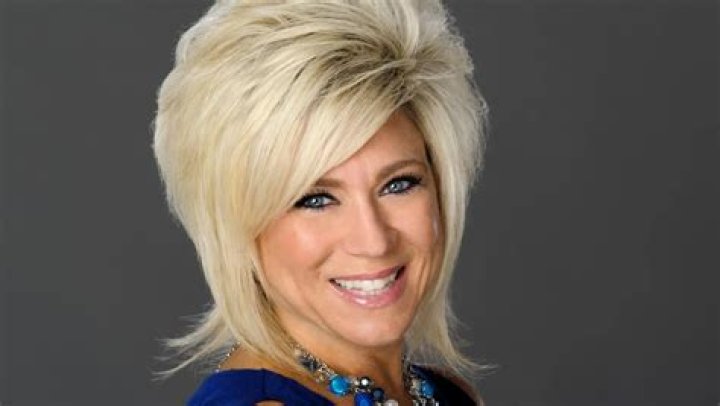
"Is Gabby Marshall White" refers to the inquiry regarding the racial identity of Gabby Marshall White, an individual who has publicly identified as both white and black.
The question of Gabby Marshall White's racial identity has garnered significant attention and sparked discussions about race, identity, and the complexities of racial categorization. The case has highlighted the fluidity and subjectivity of race, as well as the challenges in defining and classifying individuals based on their racial background.
The broader implications of this case extend beyond the individual in question. It prompts us to reflect on the social and cultural constructions of race, the impact of racial labels, and the ongoing struggle for racial equality and understanding.
Is Gabby Marshall White
The question of Gabby Marshall White's racial identity has garnered significant attention, prompting discussions about race, identity, and the complexities of racial categorization. Here are eight key aspects to consider:
- Identity: The fluidity and subjectivity of racial identity.
- Labels: The impact of racial labels and the challenges of categorization.
- Race: The social and cultural constructions of race.
- Equality: The struggle for racial equality and understanding.
- Intersectionality: The interconnectedness of race with other forms of identity, such as gender, class, and sexuality.
- Representation: The importance of diverse representation in media and society.
- Colorism: The discrimination based on skin color within racial groups.
- Privilege: The advantages and disadvantages associated with different racial identities.
These aspects highlight the complexity of racial identity and the ongoing need for dialogue and understanding. By examining the case of Gabby Marshall White, we can gain insights into the challenges and opportunities in creating a more equitable and inclusive society.
Identity
The case of Gabby Marshall White highlights the fluidity and subjectivity of racial identity. Racial identity is not a fixed or objective category, but rather a complex and evolving aspect of one's self-perception and social experience. This fluidity is influenced by various factors, including personal experiences, social and cultural contexts, and the ever-changing nature of racial discourse.
- Self-Identification: Individuals have the right to self-identify their racial identity, and this self-identification may change over time as they learn more about themselves and their experiences.
- Social Construction: Racial categories are socially constructed, meaning that they are created and defined by society rather than being based on any inherent biological or genetic differences.
- Intersectionality: Racial identity intersects with other aspects of identity, such as gender, class, and sexuality, to create a unique and multifaceted sense of self.
- Historical Context: Racial identities are shaped by historical and cultural contexts, and the meaning and significance of racial labels can change over time.
The fluidity and subjectivity of racial identity challenge traditional notions of race as a fixed and immutable characteristic. It highlights the importance of recognizing the complexity of racial identity and respecting the self-identification of individuals.
Labels
The case of Gabby Marshall White highlights the significant impact of racial labels and the challenges of categorization. Racial labels are often used to categorize and classify individuals based on their perceived race, but these labels can be limiting and inaccurate.
- Social Stigma: Racial labels can carry social stigma and bias, which can affect individuals' opportunities and experiences.
- Oversimplification: Racial labels oversimplify the complex and diverse nature of human identity, reducing individuals to a single category.
- Historical Context: Racial labels are often rooted in historical contexts of oppression and discrimination, perpetuating stereotypes and inequalities.
- Self-Identification: Racial labels may not always align with an individual's self-identification, leading to feelings of invisibility or misrepresentation.
The challenges of racial categorization are evident in the case of Gabby Marshall White, who has faced scrutiny and over her racial identity. This case underscores the need to move beyond simplistic racial labels and embrace a more nuanced understanding of racial identity.
Race
The case of Gabby Marshall White shines a light on the social and cultural constructions of race, revealing how these constructions shape our understanding of racial identity and influence our interactions with others.
- Socially Constructed Categories
Race is not a biological or genetic category, but rather a social construct created and defined by society. Racial categories are fluid and have changed over time, reflecting the evolving social and political landscape. - Racialization
Racialization is the process by which individuals and groups are assigned to racial categories based on perceived physical characteristics, such as skin color, hair texture, and facial features. This process is often accompanied by the attribution of cultural and behavioral traits to these categories, creating stereotypes and reinforcing social hierarchies. - Intersectionality
Race intersects with other social categories, such as gender, class, and sexuality, to create a complex and multifaceted system of power and privilege. Individuals' experiences of race are shaped by their position within these intersecting categories. - Power and Privilege
Racial constructions often perpetuate power imbalances and privilege certain racial groups over others. This can lead to discrimination, prejudice, and social inequality.
The case of Gabby Marshall White illustrates the complexities of race as a social and cultural construct. It challenges us to critically examine the ways in which race shapes our perceptions and experiences, and to work towards a more just and equitable society.
Equality
The case of Gabby Marshall White shines a light on the ongoing struggle for racial equality and understanding. Marshall White's experience of being questioned and criticized for her racial identity highlights the challenges faced by individuals who challenge traditional racial categories and the need for a more inclusive and equitable society.
The struggle for racial equality encompasses the fight against racism, discrimination, and prejudice. It involves promoting equal opportunities, rights, and treatment for all individuals, regardless of their race or ethnicity. Understanding the complexities of racial identity and the social constructions of race is crucial for fostering empathy and building a society where everyone is valued and respected.
The case of Gabby Marshall White serves as a reminder that the fight for racial equality is far from over. It underscores the importance of challenging racial stereotypes, embracing diversity, and working towards a future where individuals are not defined or limited by their race.
Intersectionality
The case of Gabby Marshall White highlights the significance of intersectionality, the interconnectedness of race with other forms of identity, such as gender, class, and sexuality. Intersectionality recognizes that individuals' experiences of discrimination and oppression are shaped by theof their various identities.
For Gabby Marshall White, her experience of being questioned and criticized for her racial identity intersects with her gender identity as a Black woman. This intersection creates a unique set of challenges and experiences that cannot be fully understood by examining race or gender in isolation.
Understanding intersectionality is crucial for creating a more inclusive and equitable society. By recognizing the interconnectedness of different forms of identity, we can better understand the complexities of discrimination and work towards policies and practices that address the unique challenges faced by marginalized communities.
Representation
The case of Gabby Marshall White underscores the importance of diverse representation in media and society. Marshall White's experience of being questioned and criticized for her racial identity highlights the need for greater visibility and representation of individuals from diverse racial backgrounds.
Diverse representation in media and society challenges stereotypes, promotes understanding, and fosters a more inclusive and equitable society. When individuals see themselves reflected in the media and in positions of power and influence, it sends a powerful message that they are valued and belong. This representation can inspire, empower, and create a sense of community.
The lack of diverse representation can have harmful consequences. It can perpetuate stereotypes, reinforce biases, and make it difficult for individuals from marginalized communities to fully participate in society. By increasing diverse representation, we can create a more inclusive and equitable world where everyone feels valued and respected.
Colorism
Colorism is a form of discrimination based on skin color within racial groups. It often manifests as prejudice or discrimination against individuals with darker skin tones, favoring those with lighter skin tones. Colorism exists within many racial groups, including Black, Asian, and Latinx communities.
- Skin Color Bias
Colorism can manifest in various forms, including bias in employment, housing, education, and healthcare. Individuals with darker skin tones may face discrimination in these areas, limiting their opportunities and access to resources. - Media Representation
Colorism is also reflected in media representation, where lighter-skinned individuals are often overrepresented in positions of power, beauty, and success. This can perpetuate stereotypes and reinforce the idea that lighter skin is more desirable and valuable. - Historical Context
Colorism has historical roots in colonialism and slavery, where lighter skin was associated with power and privilege. This legacy continues to influence colorist attitudes and practices in many societies. - Intersectionality
Colorism intersects with other forms of discrimination, such as racism and sexism. Darker-skinned women, for example, may face multiple layers of discrimination based on their race, gender, and skin color.
The case of Gabby Marshall White highlights the complex interplay between colorism and racial identity. Marshall White, who identifies as both Black and white, has faced scrutiny and criticism over her racial identity. Her experience underscores the challenges faced by individuals who challenge traditional racial categories and the persistence of colorism within racial groups.
Privilege
The case of Gabby Marshall White highlights the complex relationship between racial identity and privilege. Marshall White, who identifies as both Black and white, has faced scrutiny and criticism for her racial identity. Her experience underscores the challenges faced by individuals who challenge traditional racial categories and the persistence of racial inequality.
- Unequal Access to Resources
Individuals from different racial groups have unequal access to resources such as education, healthcare, and housing. This inequality is often rooted in historical and systemic racism, which has created barriers for people of color. - Racial Profiling and Discrimination
People of color are more likely to be subjected to racial profiling and discrimination in various settings, including law enforcement, employment, and housing. This discrimination can have a significant impact on their lives and opportunities. - Stereotypes and Prejudice
Racial stereotypes and prejudice can lead to negative attitudes and behaviors towards people of color. These stereotypes can perpetuate harmful myths and limit opportunities for individuals. - Colorism
Colorism, or discrimination based on skin color, can exist within racial groups. This can lead to advantages and disadvantages for individuals based on the lightness or darkness of their skin.
The case of Gabby Marshall White illustrates the complex ways in which racial identity and privilege intersect. Her experience challenges traditional notions of race and highlights the need for a more nuanced understanding of racial inequality.
Frequently Asked Questions about "Is Gabby Marshall White"
This section addresses common questions and misconceptions surrounding the case of Gabby Marshall White, providing informative answers to enhance understanding.
Question 1: Who is Gabby Marshall White?
Gabby Marshall White is an individual who has publicly identified as both white and black. Her case has sparked discussions about race, identity, and the complexities of racial categorization.
Question 2: Why is Gabby Marshall White's case significant?
Marshall White's case highlights the fluidity and subjectivity of racial identity, challenging traditional notions of race as a fixed and immutable characteristic.
Question 3: What are the challenges faced by individuals who challenge traditional racial categories?
Individuals who challenge traditional racial categories may face scrutiny, criticism, and difficulty in being accurately represented and understood.
Question 4: What does the case of Gabby Marshall White reveal about the social construction of race?
Marshall White's case underscores the fact that racial categories are socially constructed and can change over time, reflecting evolving social and political contexts.
Question 5: How does the case of Gabby Marshall White relate to the broader issue of racial inequality?
Marshall White's case highlights the ongoing challenges and complexities of racial inequality, emphasizing the need for continued dialogue and efforts towards a more just and equitable society.
Question 6: What can we learn from the case of Gabby Marshall White?
Marshall White's case teaches us the importance of embracing the fluidity of racial identity, challenging racial stereotypes, and working towards a more inclusive society that values and respects the diversity of human experiences.
Summary of key takeaways:
- Racial identity is fluid and subjective.
- Challenging traditional racial categories can be met with challenges.
- Race is a social construct that is influenced by historical and cultural contexts.
- The case of Gabby Marshall White highlights the ongoing struggle for racial equality.
- We can learn from Marshall White's case to promote a more inclusive and equitable society.
Transition to the next article section:
This concludes our exploration into the case of Gabby Marshall White and its implications for our understanding of race, identity, and social justice. Let's move on to the next section, where we will delve into another topic related to race and society.
Tips Regarding "Is Gabby Marshall White"
The case of Gabby Marshall White has garnered significant attention and sparked discussions about race, identity, and the complexities of racial categorization. Here are some key tips to consider:
Tip 1: Recognize the Fluidity of Racial IdentityRacial identity is not a fixed or objective category, but rather a complex and evolving aspect of one's self-perception and social experience. It is important to respect and validate individuals' self-identification, even if it challenges traditional racial categories.Tip 2: Challenge Racial Stereotypes
Racial stereotypes are harmful and perpetuate inaccurate and limiting beliefs about individuals. Challenge these stereotypes by seeking out diverse perspectives, engaging in respectful dialogue, and promoting inclusive representation in media and society.Tip 3: Understand the Social Construction of Race
Race is not a biological or genetic category, but rather a social construct created and defined by society. This understanding helps us recognize the fluidity and subjectivity of racial categories and the impact of historical and cultural contexts on racial identities.Tip 4: Promote Racial Equality and Understanding
The struggle for racial equality is ongoing, and it requires active efforts to promote understanding, inclusivity, and equal opportunities for all individuals, regardless of their race or ethnicity. Support organizations and initiatives that work towards racial justice and advocate for policies that address systemic racism.Tip 5: Embrace Diversity and Intersectionality
Our society is diverse, and racial identity intersects with other aspects of identity, such as gender, class, and sexuality. Embrace this diversity and recognize the unique experiences and challenges faced by individuals from different backgrounds.Summary of key takeaways:
- Racial identity is fluid and subjective.
- Challenge racial stereotypes and promote inclusive representation.
- Understand the social construction of race and its historical context.
- Work towards racial equality and understanding.
- Embrace diversity and intersectionality.
By following these tips, we can contribute to a more inclusive and just society that values and respects the diversity of human experiences and identities.
Transition to the conclusion of the article:
The case of Gabby Marshall White has shed light on the complexities of racial identity and the ongoing challenges of racial inequality. By understanding and embracing the tips outlined above, we can work towards a more equitable and inclusive society for all.
Conclusion
The exploration of "Is Gabby Marshall White" has shed light on the complexities of racial identity and the ongoing challenges of racial inequality. The case of Gabby Marshall White has highlighted the fluidity and subjectivity of racial identity, the social construction of race, and the impact of historical and cultural contexts on racial categories.
This case serves as a reminder that racial identity is not a fixed or objective concept, but rather a complex and evolving aspect of one's self-perception and social experience. It challenges traditional notions of race and emphasizes the importance of respecting and validating individuals' self-identification. Furthermore, it underscores the need to challenge racial stereotypes, promote inclusive representation, and work towards a more equitable and just society.
Uncover The Truth: Caitlin Clark's Journey As An Intersex Athlete
Unveiling The Star Power Of Abby Marshall: Iowa Basketball's Rising Phenom
Unveiling The "Sue Alaska" Saga: Discoveries And Insights
Gabbie Marshall Wiki What Is Her Current Age Now? Family And Net Worth
England Netball Where It All Began Gabby Marshall
Gabbie Marshall 'There's no other group I'd rather be here with'