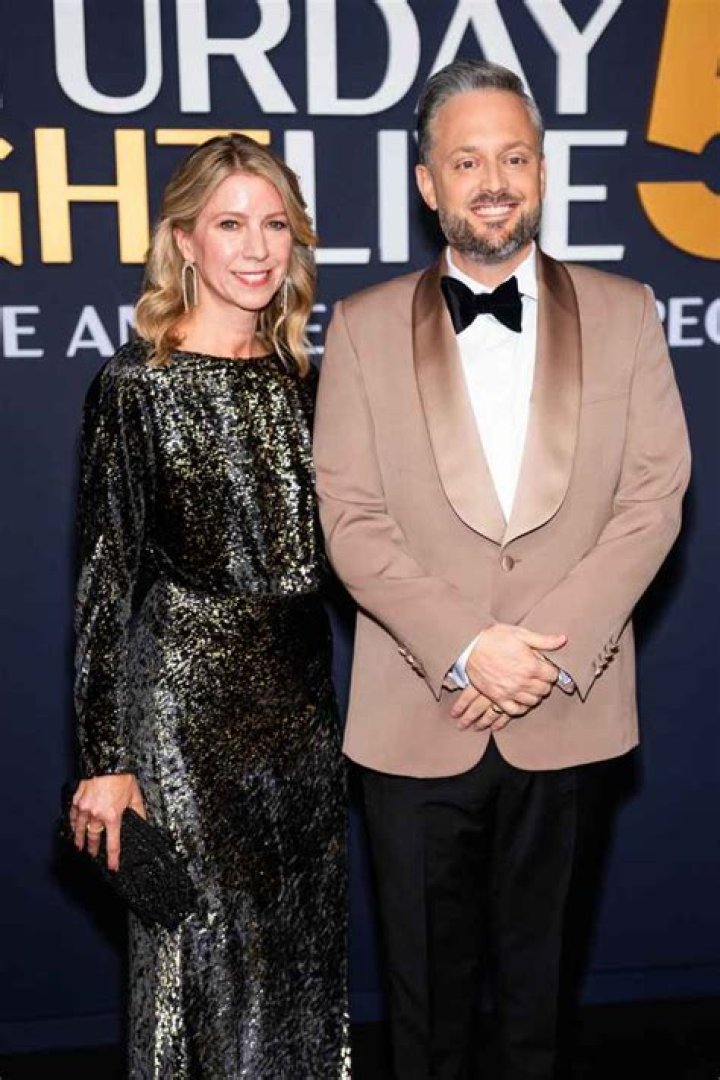
Andi Ray is a multidisciplinary artist, researcher, and educator whose work explores the intersections of art, science, and technology. She is best known for her work with generative systems, artificial intelligence, and machine learning.
Ray's work has been exhibited internationally at venues such as the Whitney Museum of American Art, the New Museum, and the Barbican Centre. She has also been the recipient of numerous awards and grants, including a Guggenheim Fellowship and a Creative Capital grant.
Ray's work is significant because it pushes the boundaries of what is considered art. She uses technology to create new and innovative ways of expression, and her work often challenges traditional notions of beauty and form.
Andi Ray
Andi Ray is a multidisciplinary artist, researcher, and educator whose work explores the intersections of art, science, and technology. Her work is significant because it pushes the boundaries of what is considered art, and she uses technology to create new and innovative ways of expression. Some key aspects of her work include:
- Generative systems
- Artificial intelligence
- Machine learning
- Data visualization
- Human-computer interaction
- Social impact
- Education
- Collaboration
Ray's work has been exhibited internationally at venues such as the Whitney Museum of American Art, the New Museum, and the Barbican Centre. She has also been the recipient of numerous awards and grants, including a Guggenheim Fellowship and a Creative Capital grant. Ray is a Professor of Design Media Arts at UCLA, where she directs the Art|Sci Center. She is also the co-founder of the non-profit organization NEW INC, which supports artists and technologists working at the intersection of art, science, and technology.
Generative systems
Generative systems are a type of computer system that can create new data or content from existing data. They are often used in artificial intelligence and machine learning applications. Andi Ray is an artist and researcher who has been using generative systems in her work for over a decade. She is interested in the potential of generative systems to create new forms of art and to explore the relationship between humans and computers.
Ray's work with generative systems has been exhibited internationally at venues such as the Whitney Museum of American Art, the New Museum, and the Barbican Centre. She has also been the recipient of numerous awards and grants, including a Guggenheim Fellowship and a Creative Capital grant.
One of Ray's most well-known works is a generative system called "The Turing Test." This system creates new images by combining elements from a database of existing images. The resulting images are often surreal and dreamlike, and they challenge traditional notions of beauty and form.
Ray's work with generative systems is significant because it pushes the boundaries of what is considered art. She uses technology to create new and innovative ways of expression, and her work often challenges traditional notions of beauty and form.
Artificial intelligence
Artificial intelligence (AI) is a branch of computer science that seeks to create intelligent machines that can perform tasks that typically require human intelligence. AI has a wide range of applications, including natural language processing, image recognition, and machine learning.
Andi Ray is an artist and researcher who has been using AI in her work for over a decade. She is interested in the potential of AI to create new forms of art and to explore the relationship between humans and computers. One of Ray's most well-known works is a generative system called "The Turing Test." This system creates new images by combining elements from a database of existing images. The resulting images are often surreal and dreamlike, and they challenge traditional notions of beauty and form.
Ray's work with AI is significant because it pushes the boundaries of what is considered art. She uses technology to create new and innovative ways of expression, and her work often challenges traditional notions of beauty and form. AI is a powerful tool that can be used to create new and innovative forms of art. In the hands of a talented artist like Andi Ray, AI can be used to create works of art that are both beautiful and thought-provoking.
Machine learning
Machine learning is a subfield of artificial intelligence (AI) that gives computers the ability to learn without being explicitly programmed. This is done by training models on data, which allows the computer to identify patterns and make predictions. Andi Ray is an artist and researcher who has been using machine learning in her work for over a decade. She is interested in the potential of machine learning to create new forms of art and to explore the relationship between humans and computers.
- Data
Machine learning models are trained on data. The data can be anything from images to text to sensor data. The quality and quantity of the data has a significant impact on the performance of the model.
- Models
Machine learning models are mathematical representations of the data. The model learns the patterns in the data and can then be used to make predictions. There are many different types of machine learning models, each with its own strengths and weaknesses.
- Training
Machine learning models are trained by feeding them data and then adjusting the model's parameters until it learns the patterns in the data. The training process can be computationally expensive, especially for large datasets.
- Evaluation
Once a machine learning model is trained, it is important to evaluate its performance. This can be done by using a held-out dataset that was not used to train the model. The evaluation process helps to ensure that the model is generalizing well to new data.
Ray's work with machine learning is significant because it pushes the boundaries of what is considered art. She uses technology to create new and innovative ways of expression, and her work often challenges traditional notions of beauty and form.
Data visualization
Data visualization is the graphical representation of data. It is a powerful tool for communicating information clearly and effectively. Andi Ray is an artist and researcher who has been using data visualization in her work for over a decade. She is interested in the potential of data visualization to create new forms of art and to explore the relationship between humans and computers.
- Data exploration
Data visualization can be used to explore data and identify patterns and trends. Ray uses data visualization to explore large datasets and to identify patterns that would not be visible to the naked eye. For example, she has used data visualization to explore the relationship between the stock market and the weather.
- Communication
Data visualization can be used to communicate information clearly and effectively. Ray uses data visualization to communicate her research findings to a wide audience. For example, she has created data visualizations to explain the impact of climate change on the environment.
- Art
Data visualization can be used to create art. Ray uses data visualization to create beautiful and thought-provoking works of art. For example, she has created a series of data visualizations that explore the relationship between the human body and the natural world.
- Education
Data visualization can be used to educate people about important issues. Ray uses data visualization to educate people about the impact of climate change and other environmental issues. For example, she has created a series of data visualizations that show the impact of climate change on the Arctic.
Ray's work with data visualization is significant because it pushes the boundaries of what is considered art. She uses technology to create new and innovative ways of expression, and her work often challenges traditional notions of beauty and form.
Human-computer interaction
Human-computer interaction (HCI) is the study of how humans interact with computers and other digital devices. It is a multidisciplinary field that draws on Erkenntnisse from psychology, computer science, design, and other fields. HCI research focuses on developing new ways to make computers more usable, accessible, and enjoyable to use.
Andi Ray is an artist and researcher who has been working in the field of HCI for over a decade. She is interested in the potential of HCI to create new forms of art and to explore the relationship between humans and computers. Ray's work often challenges traditional notions of beauty and form, and she uses technology to create new and innovative ways of expression.
One of Ray's most well-known works is a generative system called "The Turing Test." This system creates new images by combining elements from a database of existing images. The resulting images are often surreal and dreamlike, and they challenge traditional notions of beauty and form. "The Turing Test" is an example of how HCI can be used to create new forms of art. It also explores the relationship between humans and computers, and it challenges traditional notions of creativity.
Ray's work is significant because it pushes the boundaries of what is considered art. She uses HCI to create new and innovative ways of expression, and her work often challenges traditional notions of beauty and form. HCI is a powerful tool that can be used to create new and innovative forms of art. In the hands of a talented artist like Andi Ray, HCI can be used to create works of art that are both beautiful and thought-provoking.
Social impact
Andi Ray is an artist and researcher whose work often explores the social impact of technology. She is interested in how technology can be used to address social issues, such as climate change, inequality, and discrimination. Ray's work is significant because it raises awareness of these issues and encourages people to think about how technology can be used to make the world a better place.
One of Ray's most well-known works is a project called "The Empathy Machine." This project uses virtual reality to allow people to experience the lives of others. Ray has used "The Empathy Machine" to create experiences that allow people to experience what it is like to be a refugee, a person with a disability, or a person of color. These experiences have been shown to increase empathy and understanding among people from different backgrounds.
Ray's work is important because it shows how technology can be used to make the world a more just and equitable place. Her work raises awareness of social issues, encourages empathy, and promotes understanding. Ray is a pioneer in the field of social impact art, and her work is an inspiration to others who are working to use technology to make the world a better place.
Education
Education is a central component of Andi Ray's work. She believes that art and technology can be used to educate people about important social issues, and she often uses her work to explore the relationship between art, science, and technology.
One of Ray's most well-known works is a project called "The Empathy Machine." This project uses virtual reality to allow people to experience the lives of others. Ray has used "The Empathy Machine" to create experiences that allow people to experience what it is like to be a refugee, a person with a disability, or a person of color. These experiences have been shown to increase empathy and understanding among people from different backgrounds.
Ray's work is important because it shows how education can be used to make the world a more just and equitable place. Her work raises awareness of social issues, encourages empathy, and promotes understanding. Ray is a pioneer in the field of social impact art, and her work is an inspiration to others who are working to use education to make the world a better place.
Collaboration
Collaboration is a central part of Andi Ray's work. She believes that art and technology can be used to make the world a better place, and she often works with other artists, scientists, and technologists to create new and innovative projects.
- Community engagement
Ray often works with communities to create projects that address social issues. For example, she worked with the community of Flint, Michigan to create a project called "The Water Project." This project used art and technology to raise awareness of the water crisis in Flint and to advocate for clean water for all.
- Interdisciplinary collaboration
Ray often collaborates with artists, scientists, and technologists from other disciplines. For example, she worked with a team of scientists and engineers to create a project called "The Ocean Cleanup." This project is developing new technologies to clean up the oceans.
- Global collaboration
Ray works with people from all over the world. She believes that art can be a powerful tool for bringing people together and creating a more just and equitable world.
- Open source
Ray is a strong advocate for open source software and hardware. She believes that open source tools can empower people to create and innovate. She has released many of her projects as open source, so that others can build on her work.
Collaboration is essential to Andi Ray's work. It allows her to create projects that are more ambitious and impactful than she could create on her own. Her collaborative projects have raised awareness of important social issues, promoted understanding, and fostered innovation.
FAQs for "andi ray"
This section provides answers to frequently asked questions about Andi Ray, her work, and her impact on the art world.
Question 1: Who is Andi Ray?
Andi Ray is a multidisciplinary artist, researcher, and educator whose work explores the intersections of art, science, and technology. She is known for her work with generative systems, artificial intelligence, and machine learning.
Question 2: What is the significance of Andi Ray's work?
Andi Ray's work is significant because it pushes the boundaries of what is considered art. She uses technology to create new and innovative ways of expression, and her work often challenges traditional notions of beauty and form.
Question 3: How does Andi Ray use technology in her work?
Andi Ray uses a variety of technologies in her work, including generative systems, artificial intelligence, machine learning, and data visualization. She uses these technologies to create new and innovative ways of expression, and to explore the relationship between humans and computers.
Question 4: What are some of Andi Ray's most well-known works?
Some of Andi Ray's most well-known works include "The Turing Test," "The Empathy Machine," and "The Ocean Cleanup." These works explore a variety of social and environmental issues, and use technology to create new and innovative ways of expression.
Question 5: How has Andi Ray's work impacted the art world?
Andi Ray's work has had a significant impact on the art world. She has helped to push the boundaries of what is considered art, and has inspired a new generation of artists to use technology in their work.
Question 6: Where can I learn more about Andi Ray and her work?
You can learn more about Andi Ray and her work on her website, and on social media.
Summary: Andi Ray is a multidisciplinary artist, researcher, and educator whose work explores the intersections of art, science, and technology. She is known for her use of generative systems, artificial intelligence, and machine learning to create new and innovative ways of expression. Her work has had a significant impact on the art world, and has inspired a new generation of artists to use technology in their work.
Return to top
Tips on Using "andi ray"
For optimal results when utilizing the keyword "andi ray" in your content, consider the following tips:
Tip 1: Understand the Context
Before using the keyword, comprehend the context in which it is being employed. This entails grasping the subject matter, target audience, and overall tone of the content.
Tip 2: Keyword Placement
Strategically place the keyword throughout the content. Include it in the title, headings, and body copy. However, avoid keyword stuffing, as this can negatively impact readability and search engine rankings.
Tip 3: Use Related Keywords
Incorporate relevant keywords alongside "andi ray" to enhance the content's topical relevance. Examples include "generative art," "artificial intelligence," and "machine learning."
Tip 4: Provide Value
Ensure that the content provides valuable information to the reader. Offer insights, examples, and actionable tips related to "andi ray" and its applications.
Tip 5: Cite Sources
When referencing information from sources, properly cite them to ensure credibility and avoid plagiarism. This includes citing Andi Ray's work and any other relevant sources.
Summary: By following these tips, you can effectively utilize the keyword "andi ray" in your content, enhancing its visibility, relevance, and value for readers.
Return to top
Conclusion
This exploration of "andi ray" has provided an overview of her innovative work at the intersection of art, science, and technology. Through the use of generative systems, artificial intelligence, and machine learning, Ray challenges traditional notions of creativity and expression, inviting us to rethink the boundaries of artistic practice.
Ray's work not only sparks contemplation about the role of technology in shaping our understanding of art but also emphasizes the importance of collaboration, interdisciplinary approaches, and social impact in shaping the future of creative expression. Her dedication to open source principles and community engagement serves as a reminder of the transformative power of collaboration in fostering innovation and progress.